

A thoughtful golden century slot comparison should focus less on its theme and more on how its mechanics suit your budget, patience and expectations. Golden Century is presented as a traditional fruit-machine-style pokie, so the useful questions concern volatility, paylines, bonus features, stake control and the difference between demo play and real-money gambling. Reviewing these points before choosing a game can help Australian players make a calmer, better-informed decision rather than judging a pokie solely by its graphics or advertised prizes.
Which playing style does Golden Century suit?
Golden Century is most naturally compared with classic fruit pokies rather than feature-heavy video slots. That distinction matters because traditional designs generally prioritise familiar symbols, straightforward reels and an uncomplicated betting interface. Players who prefer quick decisions and recognisable layouts may find this format easier to understand than a game filled with bonus rounds, animated storylines and several overlapping pay systems.
Its apparent simplicity should not be confused with predictability. Every eligible spin is determined by the game’s random-number system, and previous results do not make a particular symbol more or less likely to appear next. A run of losses is not evidence that a win is “due”, while several successful spins do not indicate that the machine has become generous. Those assumptions can lead to larger, less controlled bets.
A practical comparison is therefore about personal fit. If you enjoy low-friction play, a classic pokie may be more appealing than an elaborate modern title. If you need frequent interactive features to maintain interest, the simpler format may encourage longer sessions through repetition. Decide which experience you want before setting a stake, and treat the game as entertainment rather than a test of skill or a possible source of regular income.
Read the paytable before comparing outcomes
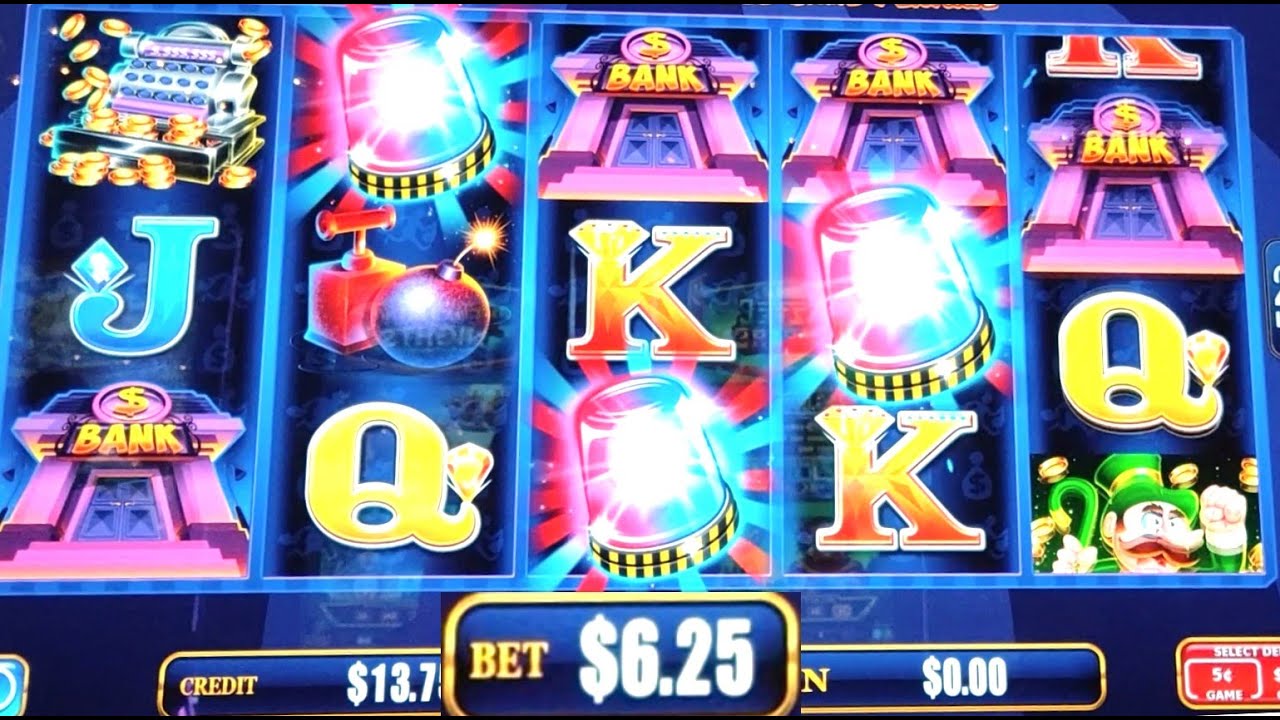
The paytable is the most useful source of game-specific information, but players often skip it because the symbols look familiar. Check how many reels and paylines are active, which symbols form winning combinations, whether wins must appear on adjacent reels, and whether the game recognises wins from left to right only. Small rule differences can materially change how often a displayed combination qualifies.
Pay attention to the minimum and maximum stake, too. A flexible stake range can make a pokie easier to include in a fixed entertainment budget, but a low minimum does not make losses impossible. The important calculation is the amount risked per spin multiplied by the number of spins you expect to make. For example, 100 spins at $0.50 represents $50 wagered, even if individual bets feel modest.
Return-to-player information, when published, is a long-run statistical measure rather than a forecast for one session. It does not guarantee that a particular player will receive that percentage, and it says nothing about when a result will occur. Also look for the game’s volatility description if available. Lower volatility can mean smaller, more regular-looking results; higher volatility can involve longer quiet periods and less frequent larger payouts.
Test the mechanics without confusing practice with proof
Demo play can be useful for learning the controls, checking whether the pace feels comfortable and seeing how the paytable is presented. It lets you practise changing stakes, stopping a session and identifying feature symbols without risking money. This is especially helpful if you are comparing Golden Century with another classic-style pokie and want to assess usability rather than relying on promotional descriptions.
However, practice results cannot demonstrate that real-money play will perform similarly. Demo balances are not withdrawable, and a short sample of spins is far too small to establish a game’s long-term behaviour. Results may also feel different when real funds are involved because losses create emotional pressure. Do not increase your intended stake simply because a free session appears successful.
Before moving from practice to paid play, write down three limits: the maximum amount you can afford to lose, the length of the session and the point at which you will stop. Avoid using credit or money reserved for rent, bills, food or other essentials. Australia’s Gambling Help Online support service provides confidential information and assistance if gambling starts to feel difficult to control.
Compare risk controls, not just visual appeal
A useful review should examine the playing environment as carefully as the pokie itself. Look for deposit limits, session reminders, reality checks, self-exclusion tools and straightforward account settings where these are available. These controls are not guarantees against harmful play, but they create useful friction between an impulse and a larger deposit or longer session.
Set a spending limit before opening the game, then keep the limit separate from any amount you might win. A win is not a reason to raise the stake automatically, and a loss is not a reason to chase it. One practical method is to use a fixed session allowance, stop when it is exhausted and avoid returning later that day to recover the balance.
Watch for behavioural warning signs while comparing games. Repeatedly extending a session, hiding play from someone close to you, feeling anxious after stopping or borrowing money to continue are more important signals than whether the pokie has attractive graphics. If those signs appear, stop playing and seek support rather than trying to solve the problem with a different title, a bigger stake or a promised winning strategy.
Make a fair comparison with other classic pokies
When comparing Golden Century with similar games, use the same checklist for every title. Record the reel layout, active paylines, stake range, available features, published return information and volatility description. This prevents a visually impressive game from receiving an unfair advantage simply because its presentation is more modern or its symbols are easier to recognise.
Then compare the practical experience. Does the paytable explain the rules clearly? Can you adjust the stake without accidentally selecting a much larger amount? Are the spin and stop controls easy to understand? Is the game comfortable to use on your device? These questions do not predict results, but they help identify whether the product is transparent and manageable for the way you intend to play.

Finally, separate game quality from gambling value. A polished interface may make a session more enjoyable, but it does not improve the odds. A simple pokie may be perfectly suitable for a short, budgeted session, while another player may prefer more features and slower pacing. The strongest comparison is the one that leaves you with a clear spending limit, realistic expectations and a willingness to stop.
Golden Century slot questions answered
Is Golden Century a game of skill?
No. Like other pokies, its outcomes are generated by chance rather than decisions that can reliably change the result. Choosing a stake or stopping at a particular time may affect how much you risk, but it does not control which symbols appear. Any skill involved is limited to budgeting and managing the session.
Can a demo session predict real-money results?
No. Demo play can show how the controls, paytable and general format work, but it cannot predict future results or establish a personal winning pattern. Short sessions are especially unreliable because random outcomes can vary widely. Use practice mode to learn the game, not to validate a betting system.
What should I do if playing stops feeling recreational?
Stop depositing and take a break before making another decision. Consider account restrictions or self-exclusion tools, tell a trusted person what is happening and seek confidential gambling support. Do not borrow money or chase losses. A support service can help you make a plan without requiring you to manage the situation alone.